



The year 2026 in the world of infrastructure is expected to be one of great interest. During this year, we anticipate that several major projects will be awarded contracts, while other large projects will reach completion. Beyond that, there are also some very large projects that will dominate our attention through the progress of their construction.
This is because, in almost all cases of projects under construction, various issues tend to arise that usually delay their progress. The most common causes include archaeological investigations, land expropriations, legal appeals, and shortcomings in studies, which often lead to partial redesigns of a project.
In 2026, we expect to see how some critical projects will evolve. Although they will not be completed within the year, they are expected to make substantial progress so that, in the years that follow, they can gradually become part of our everyday life.
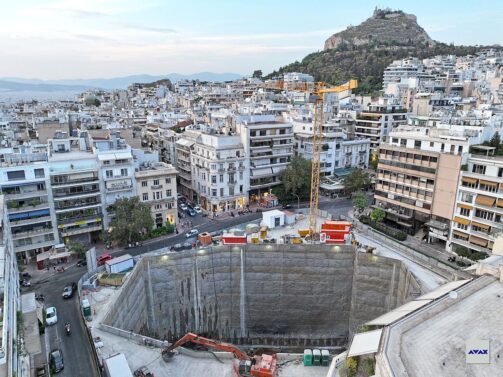
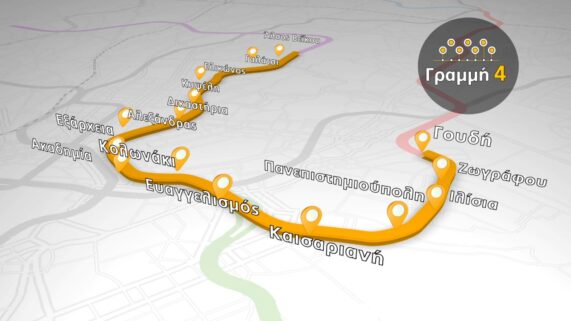
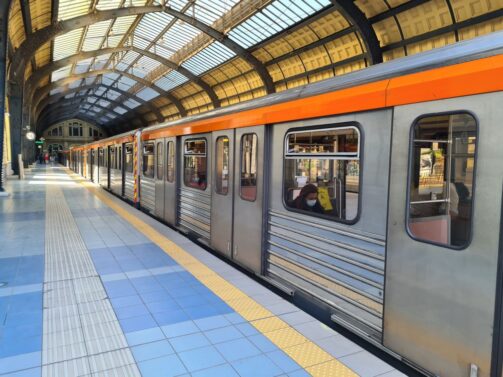
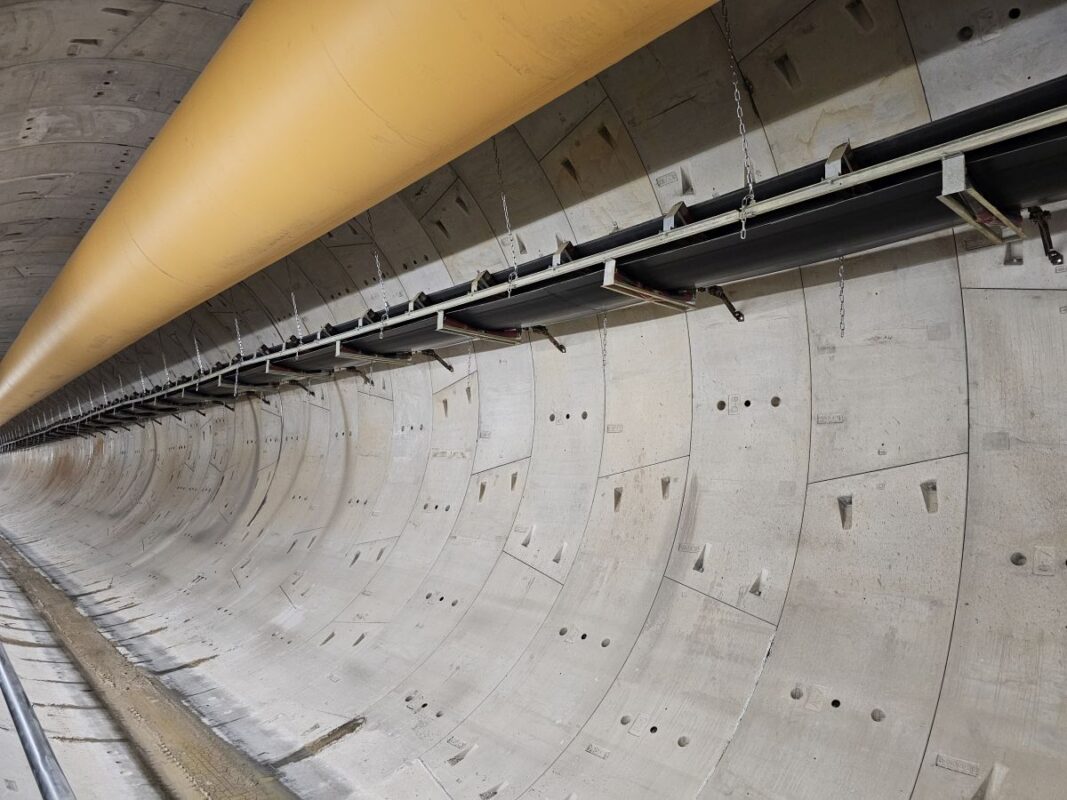
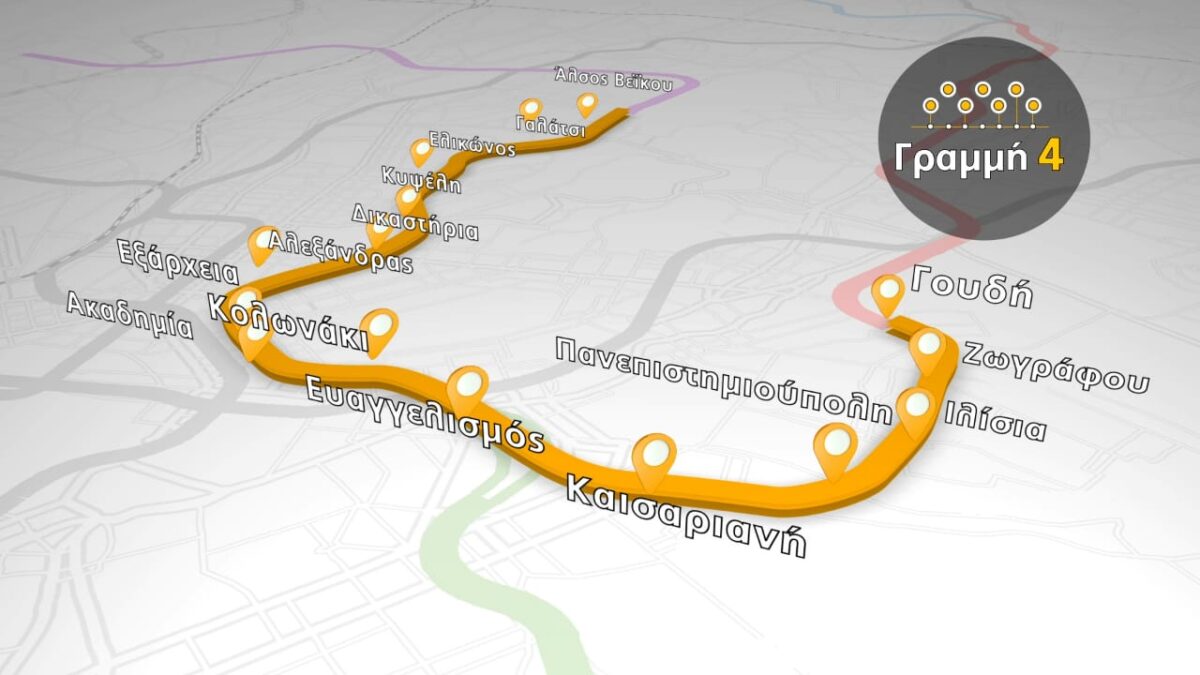
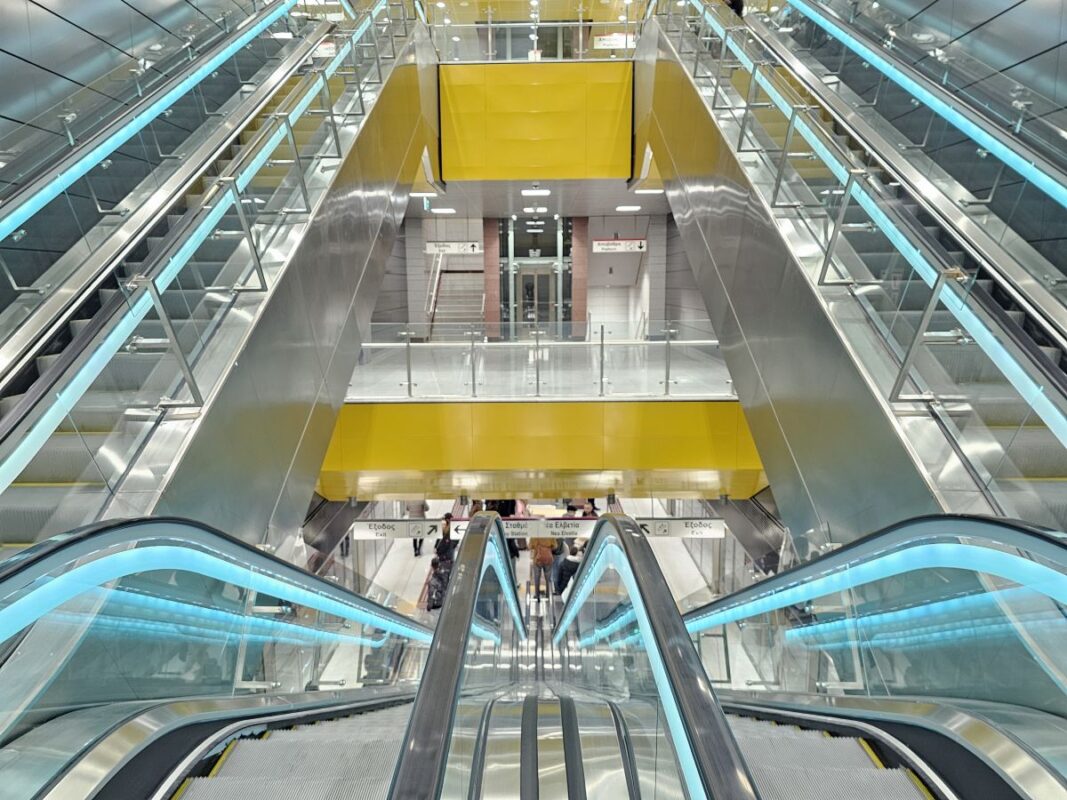
The first and most critical infrastructure project under construction for 2026 is undoubtedly Athens Metro Line 4. Having now completed 4.5 years of construction, a new reality has emerged which, as has become known, will lead to an updated project timeline.
What we expect to see during this year is the unblocking of construction works at the Evangelismos station, which is turning into a major issue. Some market observers are already comparing it to what happened at the Venizelos station in Thessaloniki, as it remains stalled.
We also expect works to take place at the University Campus, as well as progress on the diversion of utility networks (public utilities) in Goudi. The good news is that the tunnel boring machines are advancing at a fairly satisfactory pace, and it is estimated that by the end of the year they will have completed the excavation of the approximately 13-kilometre tunnel.
The second major project whose progress is critical is the BOAK (Northern Crete Highway). This project is linked to the final milestones of the Recovery and Resilience Fund and requires a sprint in the period up to August, when this phase is completed. At present, there is optimism that the activation of works on the Kissamos–Chania–Heraklion section will take place in the coming period and will move forward rapidly. In the other sections, from Hersonissos to Agios Nikolaos, works are progressing wherever the relevant sites (i.e. properties) have been handed over.
The BOAK, which completes the puzzle of the country’s motorway network, is currently the largest new road project in Europe and is expected to significantly boost road transport and, by extension, road safety.
The third critical project is the Flyover of the Thessaloniki Ring Road. According to the updated schedule, the project must be delivered in May 2027. To achieve this, during 2026 the two formwork systems will need to accelerate the construction of the deck over the bridge piers, and this appears to be the major challenge for the project.
With the flyover in operation, the Thessaloniki Ring Road will be able to serve up to 10,000 vehicles per hour, providing major relief to the city’s traffic congestion. It will facilitate through-traffic movements from the north to the south of the prefecture, especially towards the airport and Chalkidiki.
The fourth major and critical project is the Sepolia Railway Tunnel. The project has been implemented with delays due to construction issues, and its completion has now been pushed to 2028 or possibly even later. The year 2026 is considered pivotal, as—provided the problems are overcome—it should allow progress on the first of the two twin tunnels. These tunnels will enable smooth operation on a double-track railway line and will also mark the beginning of the end of level crossings in the city centre.
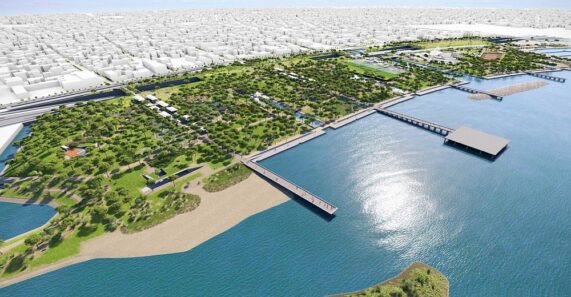
The fifth major and critical project expected to move forward is the new Panathinaikos stadium and, more broadly, the regeneration of the Votanikos area. Works have accelerated recently, and the target is for the stadium to be operational in the 2027–2028 season.
For this to happen, a construction sprint is required this year, followed by the works that will complete the new stadium. This goal is far more complex than it may sound, as the new stadium is located in an area that remains underdeveloped. At the same time, regeneration works, green spaces, and the creation of network infrastructure are progressing in parallel. All these activities must advance simultaneously so that spectators can access the stadium through organised areas and with the necessary infrastructure in place.
Beyond these five major projects, where weaknesses have been identified and construction needs to accelerate, there is also a series of large projects whose progress has not yet come under close scrutiny. These include the Chalkida bypass, the Ioannina–Kakavia road, the Bralos–Amfissa section, the Kalamata–Pylos–Methoni axis, the Western Suburban Railway, and others.
For more details and the complete article in Greek, click here
ΜΗΝ ΞΕΧΑΣΕΤΕ
- Ακολουθήστε το ypodomes.com στο Google News και μάθετε πρώτοι όλες τις ειδήσεις για τις υποδομές στην Ελλάδα
- Αν είστε επαγγελματίας του κλάδου, ακολουθήστε μας στο LinkedIn
- Εγγραφείτε στο Ypodomes Web TV